THE RAW OUTPUT OF COMBUSTION
Before the rise of massive battery banks, off-grid power meant one thing: small engines turning alternators. Traditional gas generators remain the bedrock of construction sites, remote cabins, and prolonged disaster relief.
Inverter vs. Open Frame
It is vital to distinguish between heavy open-frame contractor generators and modern closed-frame inverter generators (like the Honda EU series or Yamaha EF series). Open-frame models produce "dirty" power—fluctuating sine waves that can fry sensitive electronics like laptops. Inverter generators throttle their engine speed to match demand and digitally clean the AC output, making them safe for modern tech.
The Maintenance Tax
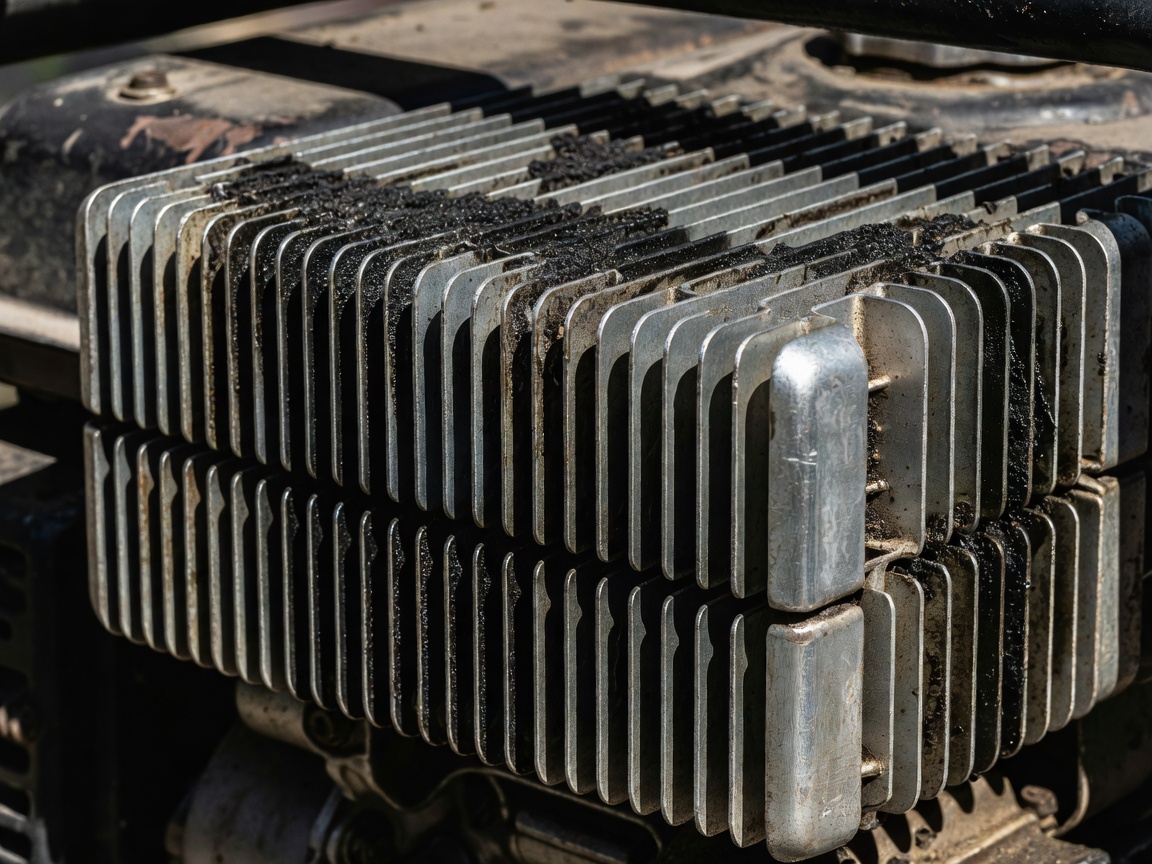
Combustion demands constant physical intervention. You must manage fuel stabilization (to prevent ethanol gunk), perform regular oil changes, replace spark plugs, and periodically clean the carburetor. Neglect these, and the machine will refuse to start when you need it most.
Endurance and Fuel Supply
A battery runs out, and if the sun isn't shining, it stays dead. A gas generator, however, will run continuously for days provided you have jerry cans of fuel. In the aftermath of a hurricane, where power grids are down for weeks but gas stations might eventually open, the combustion generator's brutal simplicity becomes an asset.
"You are trading the silence of a battery for the relentless, continuous mechanical heartbeat of a machine that refuses to quit—so long as you feed it."
Noise Discipline
Sound is a critical factor in campsites and dense suburban environments during a blackout. Even the quietest inverter generators hum at around 55-60 decibels. At night, in a quiet wilderness, this mechanical drone carries for hundreds of yards, destroying the acoustic peace of the environment.