HARNESSING THE SUN FOR INFINITE POWER
A portable power station without a charging source is just a ticking clock. To truly break away from the grid, you must harness photovoltaic energy. This requires an understanding of panel wattage, input limits, and charge controllers.
The MPPT Advantage
Most premium power stations feature an internal Maximum Power Point Tracking (MPPT) charge controller. Unlike older PWM controllers, MPPT dynamically adjusts the voltage and current coming from your solar panels to extract the absolute maximum power available at any given second, improving charging efficiency by up to 30%.
Reading the Limits
Every power station has a maximum solar input rating. For example, if a unit maxes out at 500W of solar input, connecting 800W worth of panels won't charge it faster. More importantly, you must never exceed the maximum voltage (Voc) limit of the unit, or you will instantly fry the internal controller.
Monocrystalline vs. Polycrystalline
For portable setups, rigid or folding Monocrystalline panels are the standard. They offer higher efficiency ratings (often 22-23%) compared to the older blue-hued polycrystalline panels, meaning you get more watts per square inch of surface area.
"Sunlight is free, but capturing it requires precise math. A 200W panel rarely yields 200W; expect 150W under real-world atmospheric conditions."
Series vs. Parallel Wiring
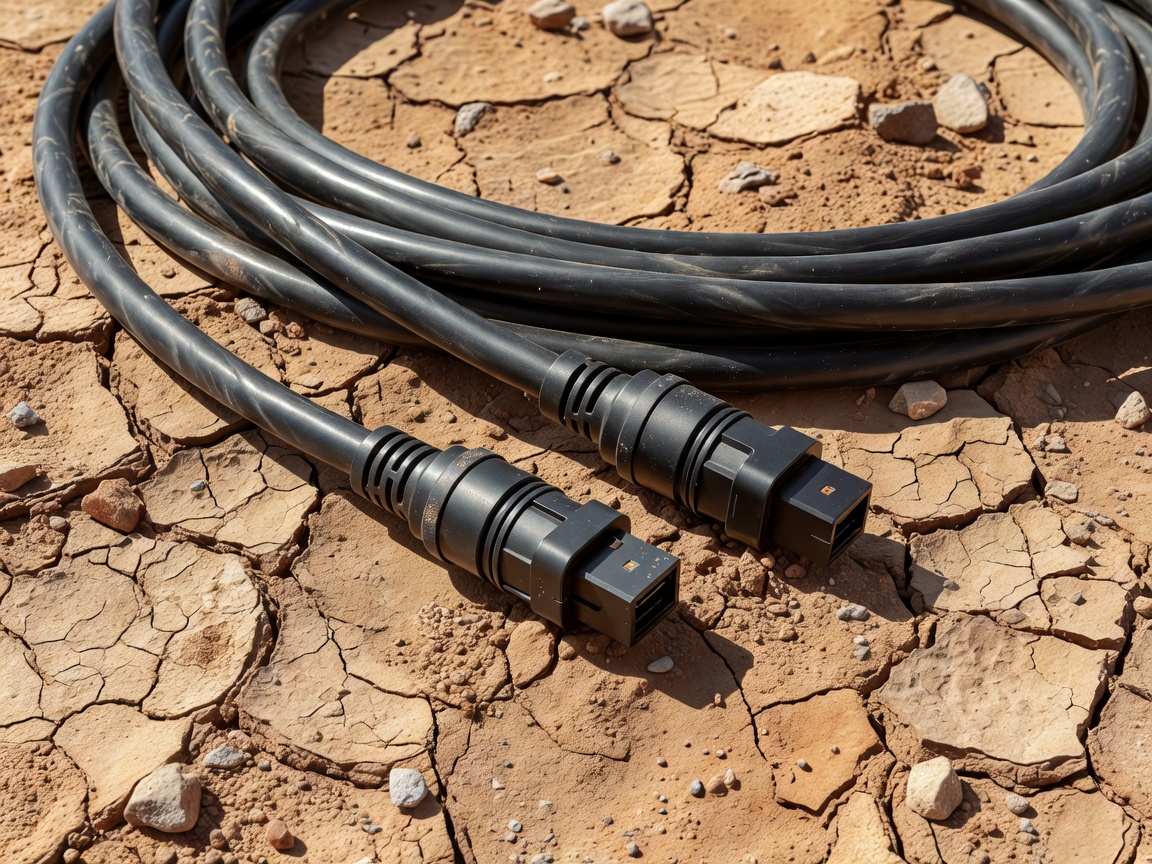
When connecting multiple panels via MC4 connectors, you must choose between Series (increases voltage, keeps amps the same) or Parallel (increases amps, keeps voltage the same). Your choice is dictated entirely by the input specifications of your specific power station.